HKHTC – Facing History Teachers Training Workshop Series at Asia Society: Teaching NIGHT by Elie Wiesel

2019-05-03T10:11:20+08:00Tags: |

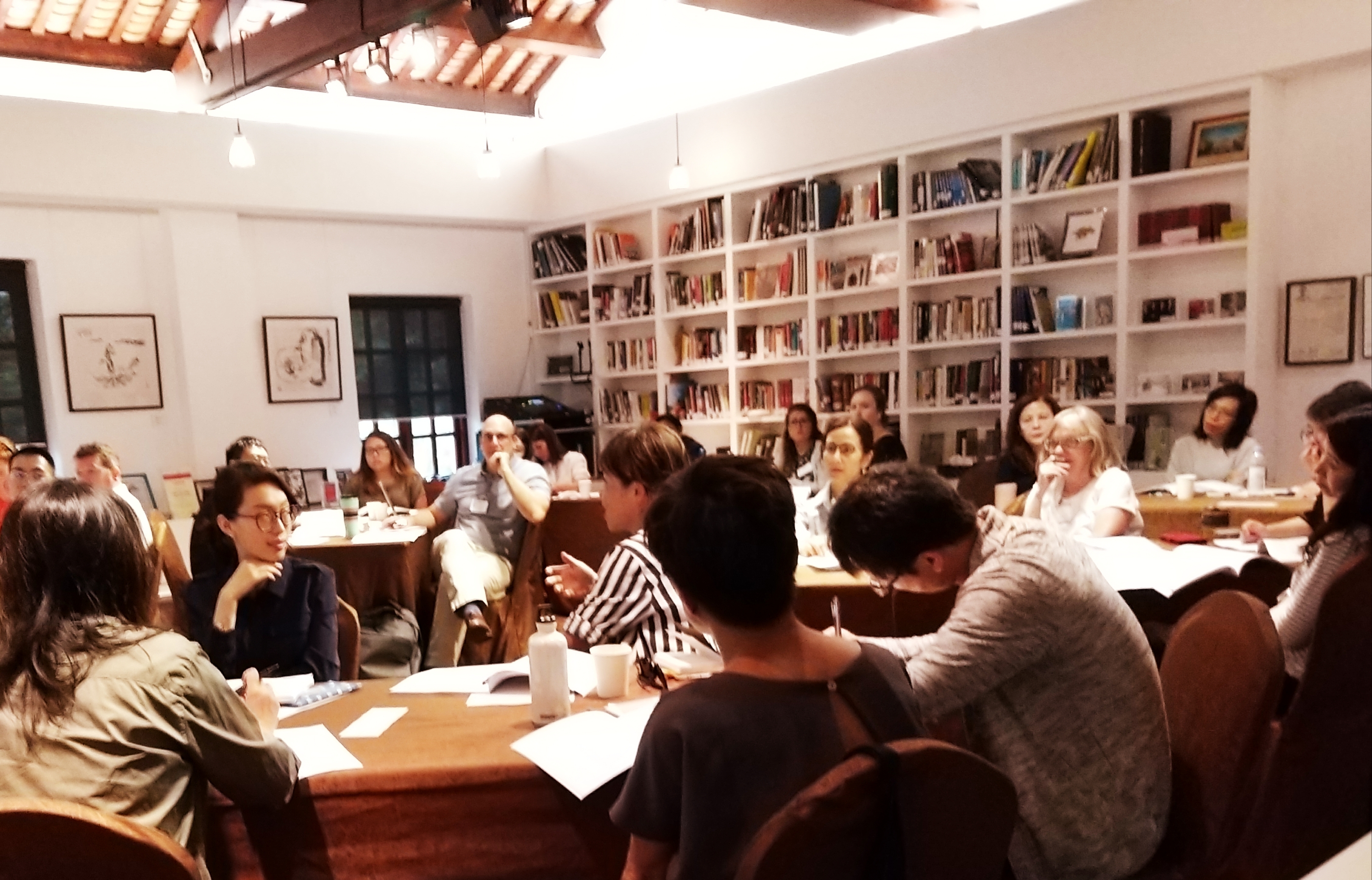
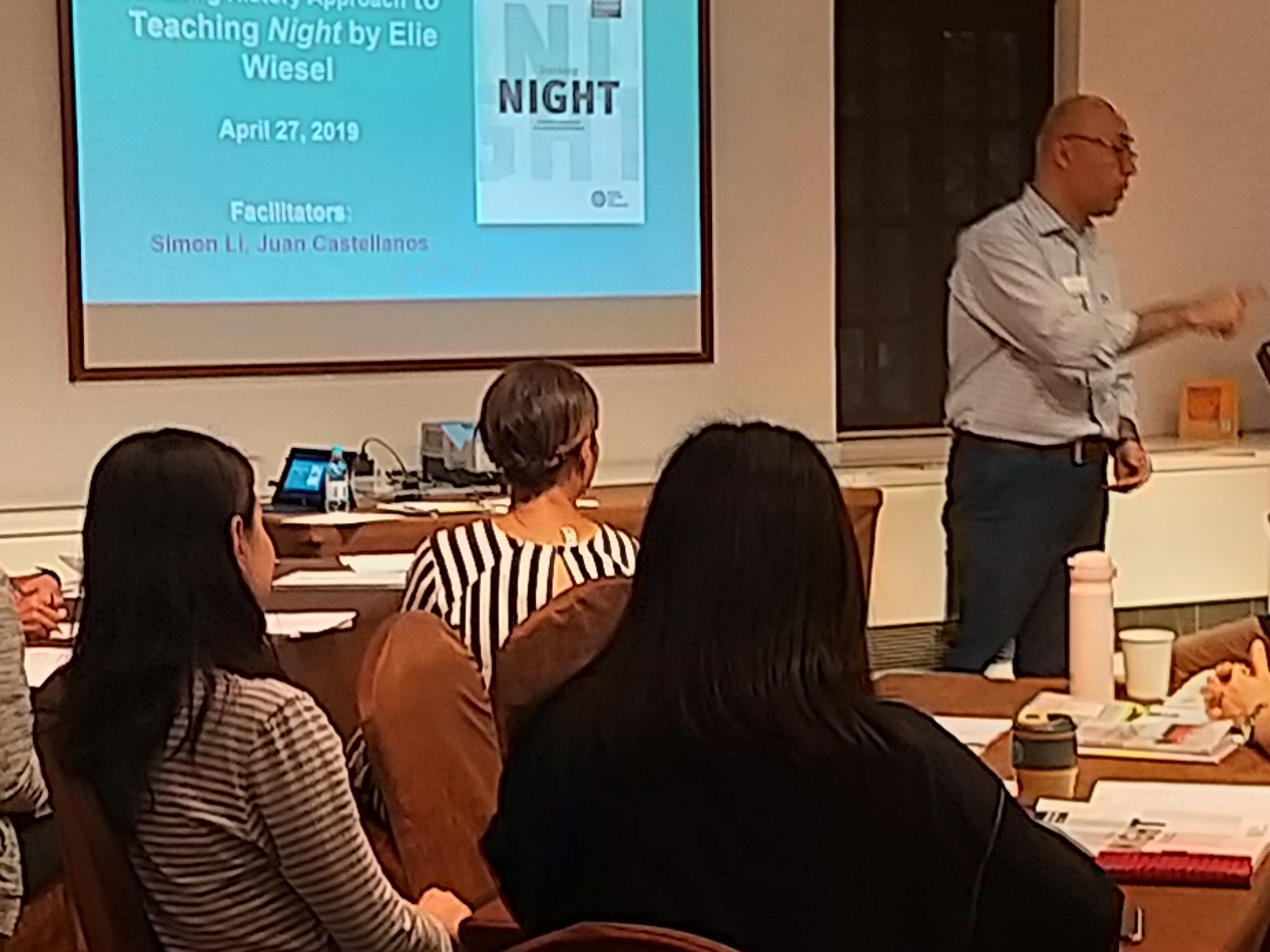
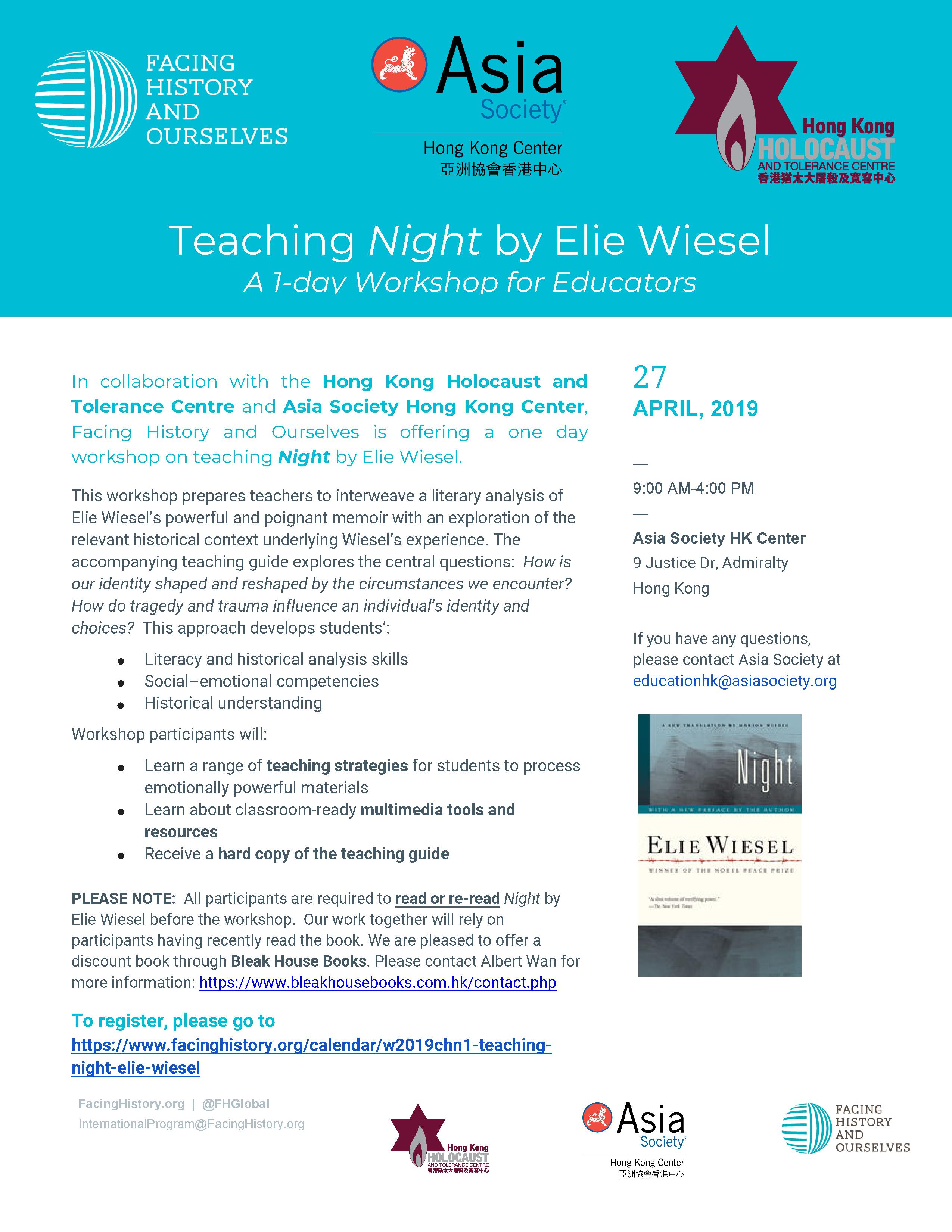
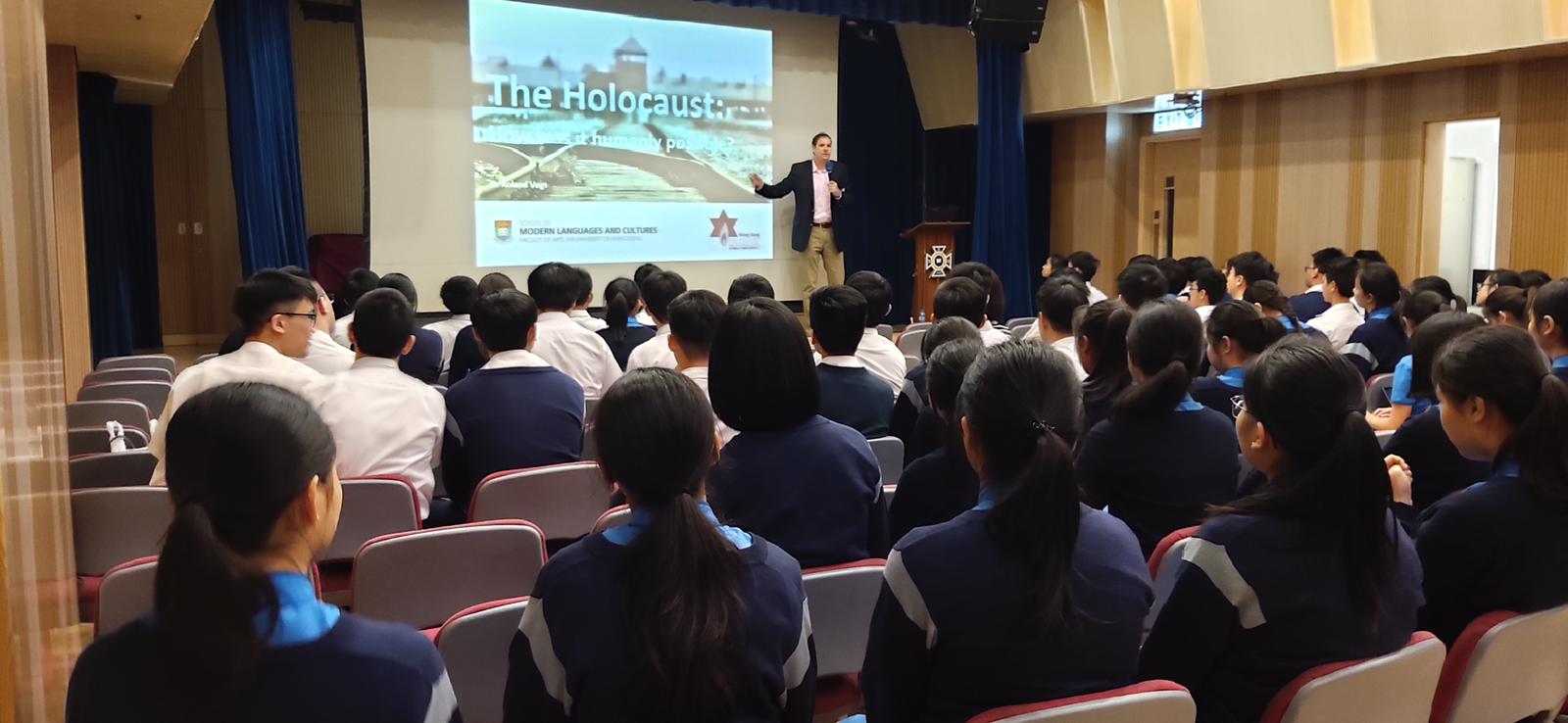
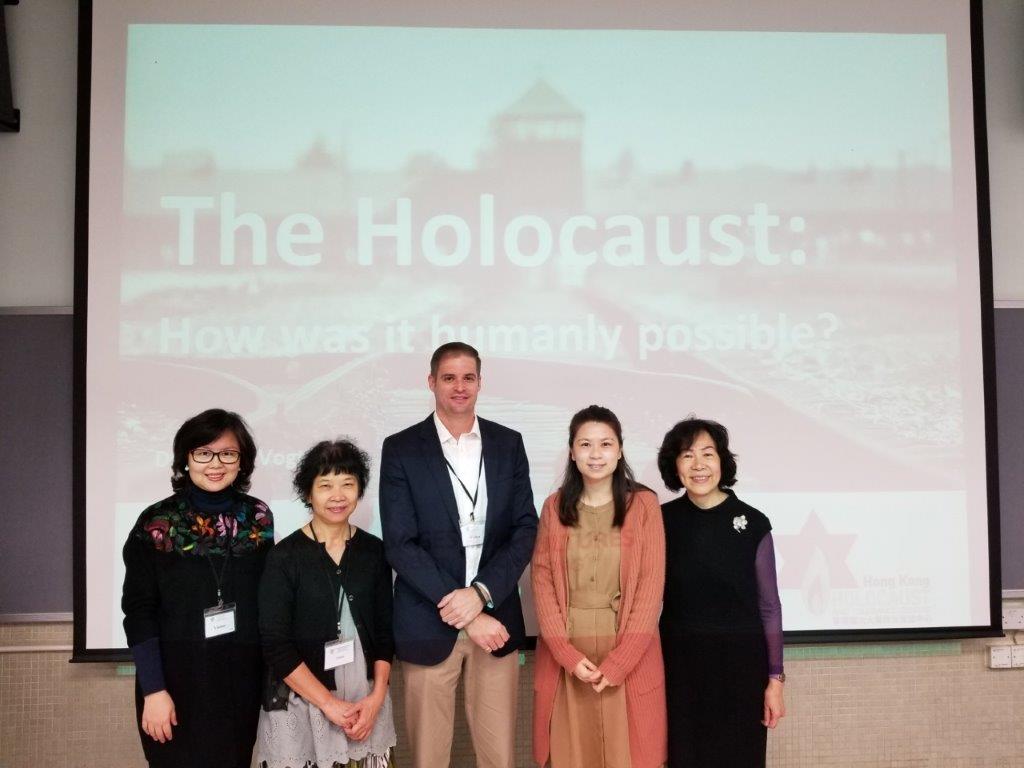
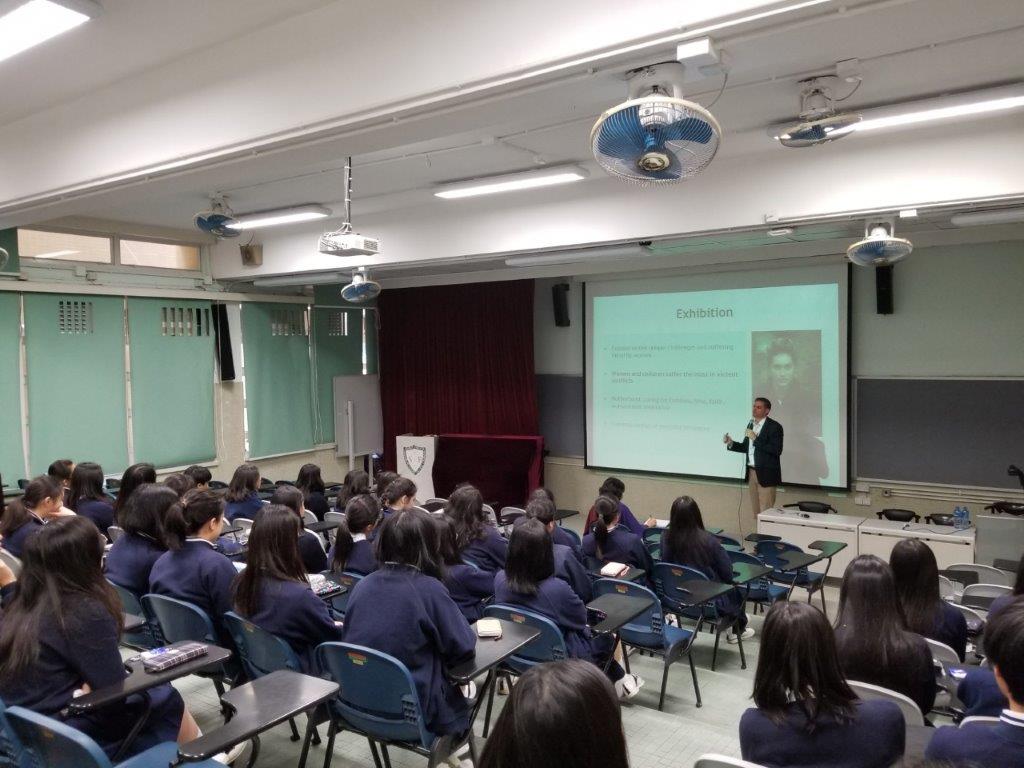
On 27 April 2019, the Hong Kong Holocaust and Tolerance Centre, Facing History and Ourselves and Asia Society organized a one-day workshop which aimed to prepare teachers to interweave a literary analysis of Elie Wiesel's powerful and poignant memoir with an exploration of the relevant historical context underlying Wiesel's experience. The workshop explored the central questions: How is our identity shaped and reshaped by the circumstances we encounter? How do tragedy and trauma influence an individual's identity and choices?

Thanks so much for joining our teachers training workshop with Facing History and Ourselves at Asia Society last weekend. It was wonderful to have a full house.

Bye Bye Germany – Screening & Discussion with HKHTC Executive Director

2019-03-05T19:40:32+08:00Tags: |

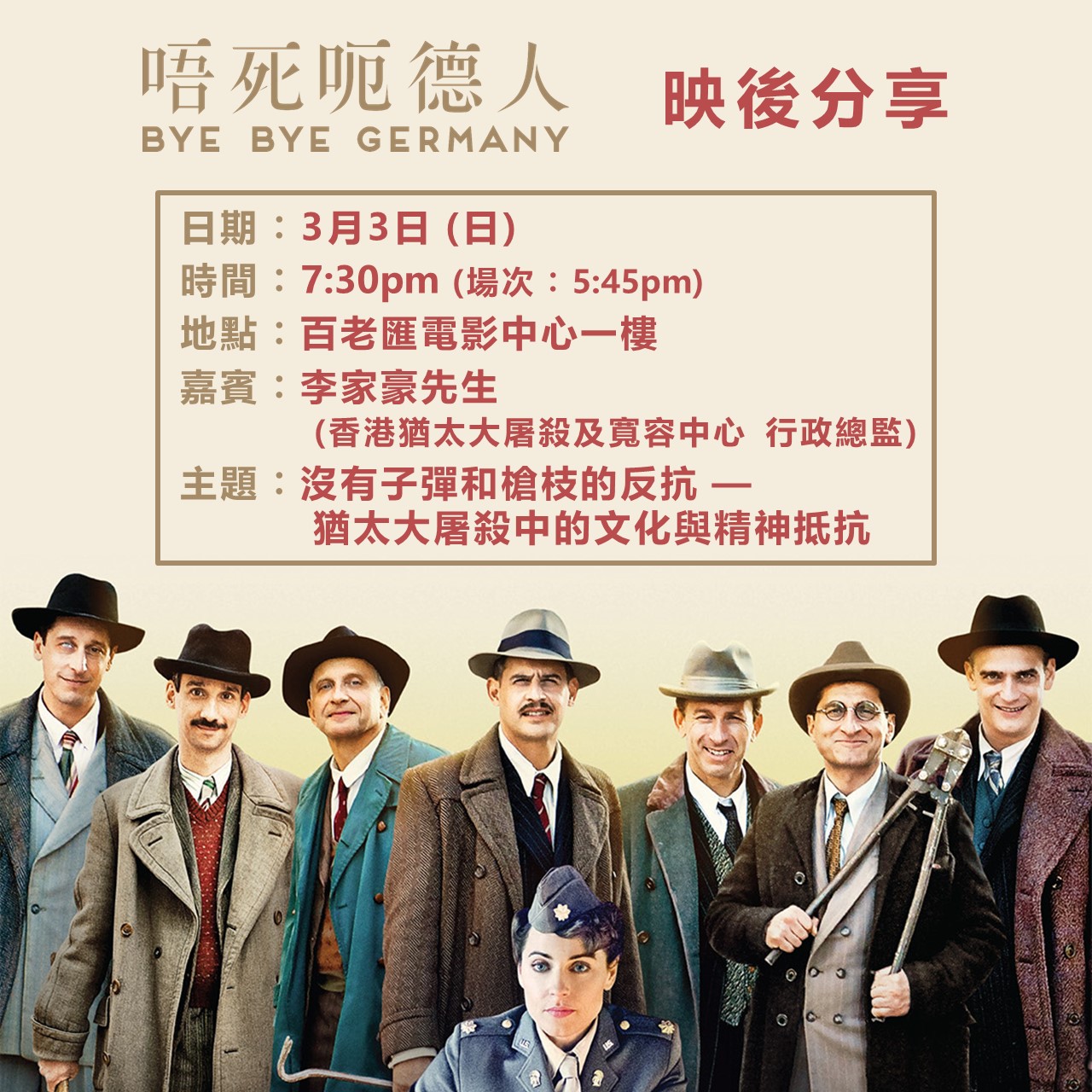
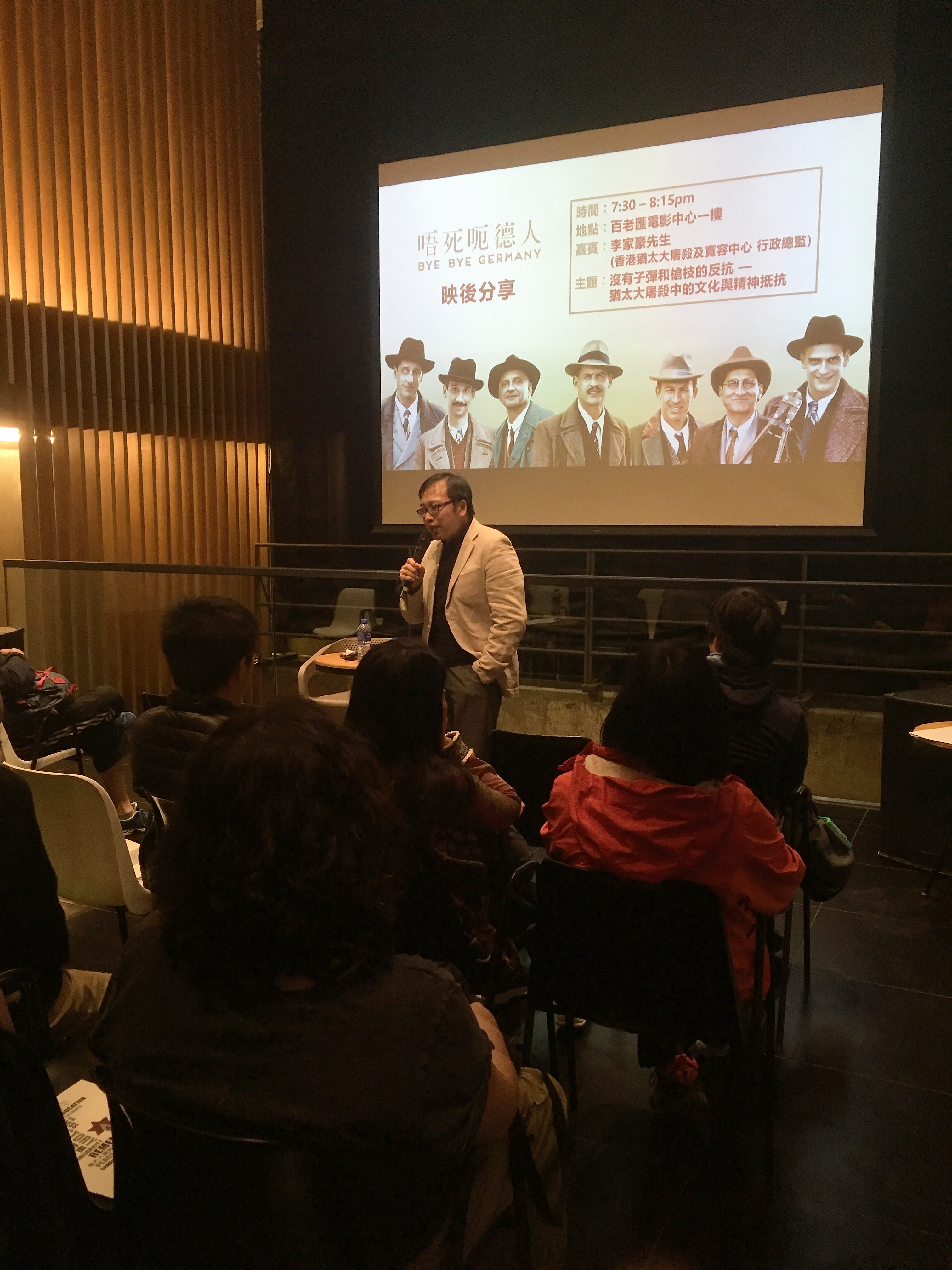
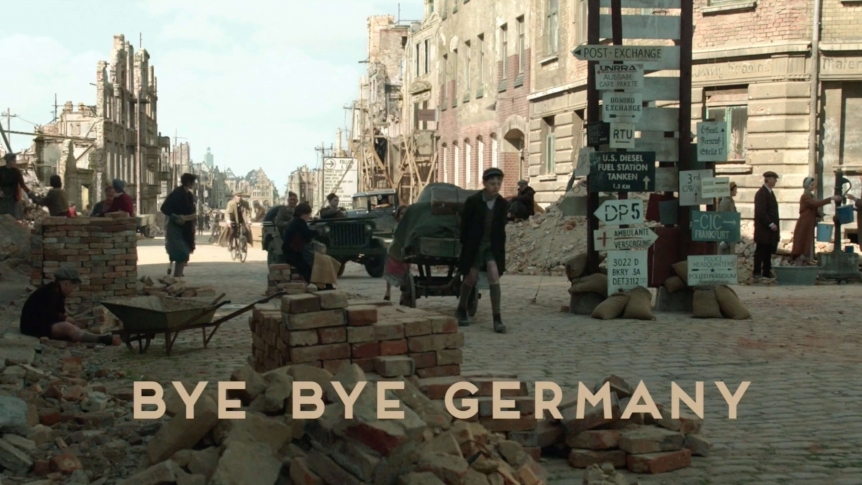
On 3 March 2019, the Hong Kong Holocaust and Tolerance Centre was delighted to co-organise the screening and discussion event ‘Bye Bye Germany’ at Broadway Cinematheque:

Bye Bye Germany 
Screening and Discussion with Simon K. Li, HKHTC Executive Director

Chinese and English captions will be available.  電影提供中、英文字幕。
The post-screening discussion will be conducted in Cantonese.  座談會以廣東話進行。

About the speaker:
Simon K. Li is the Executive Director of the Hong Kong Holocaust and Tolerance Centre. An award-winning former journalist in Canada, he was a Senior Lecturer and Visiting Educator at the Amsterdam-based Anne Frank House.

More about the film:
https://www.sfgate.com/movies/article/Bye-Bye-Germany-an-engaging-tale-of-Jews-12875292.php

HKHTC Executive Director Quoted in the New York Times

2019-02-11T20:31:40+08:00Tags: |

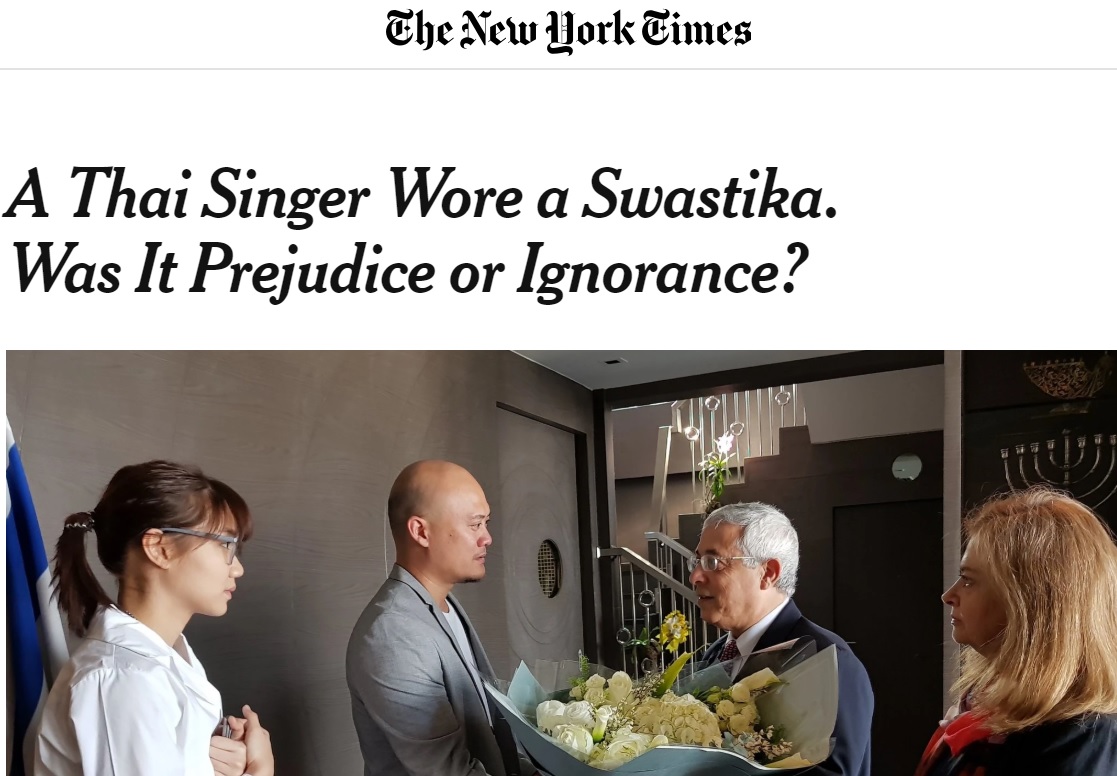
HKHTC Executive Director Simon K. Li was interviewed by the New York Times, which reported on a singer in Thailand who wore a swastika during a recent performance. In the article, Simon noted that Holocaust and genocide education in Asia is “very limited.” With the New York Times having over 3 million digital and print subscribers, the article provided major international exposure to HKHTC’s work and message. The New York Times article can be read here.

UNHMD 2019 Media Mentions

2019-02-11T20:32:53+08:00Tags: |

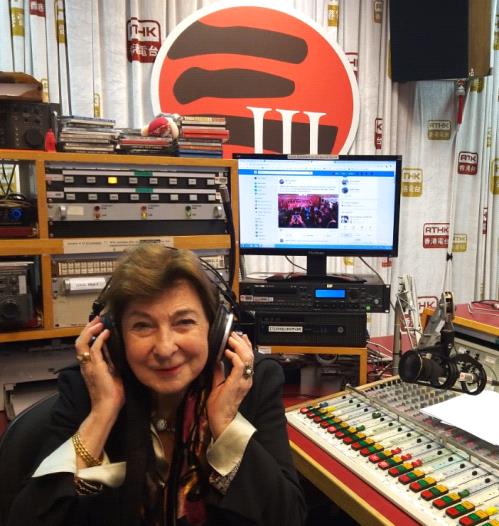
HKHTC’s important work recently received extensive coverage in the local and international press. Eva Koralnik was interviewed by multiple media outlets, including Radio Television Hong Kong, the South China Morning Post, the Chinese-language Oriental Daily, the Jewish Times Asia and news outlets in Macau. These publications have a combined circulation of over 2 million readers, enabling a significant portion of the community in Hong Kong and Macau to become aware of Eva’s account of the results of hatred and discrimination.

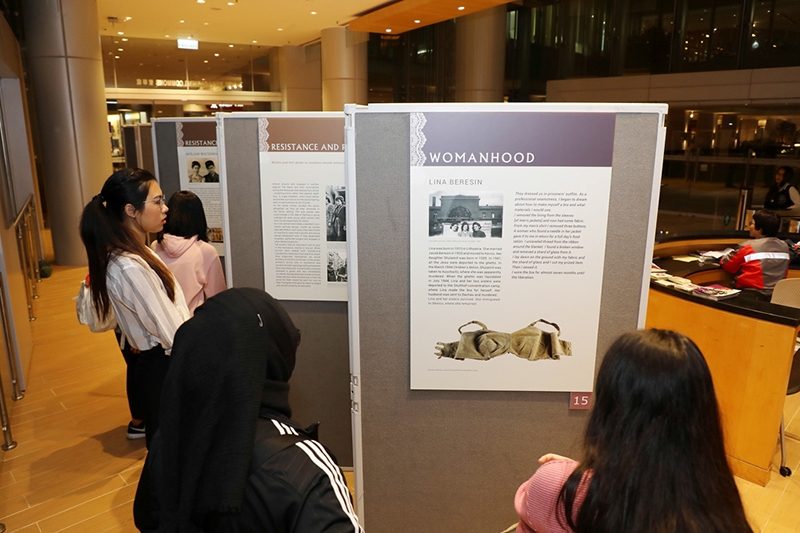
HKHTC & HKU Present: ‘Spots of Light: Women in the Holocaust’ Exhibition & Opening Ceremony

2019-02-28T17:17:05+08:00Tags: |

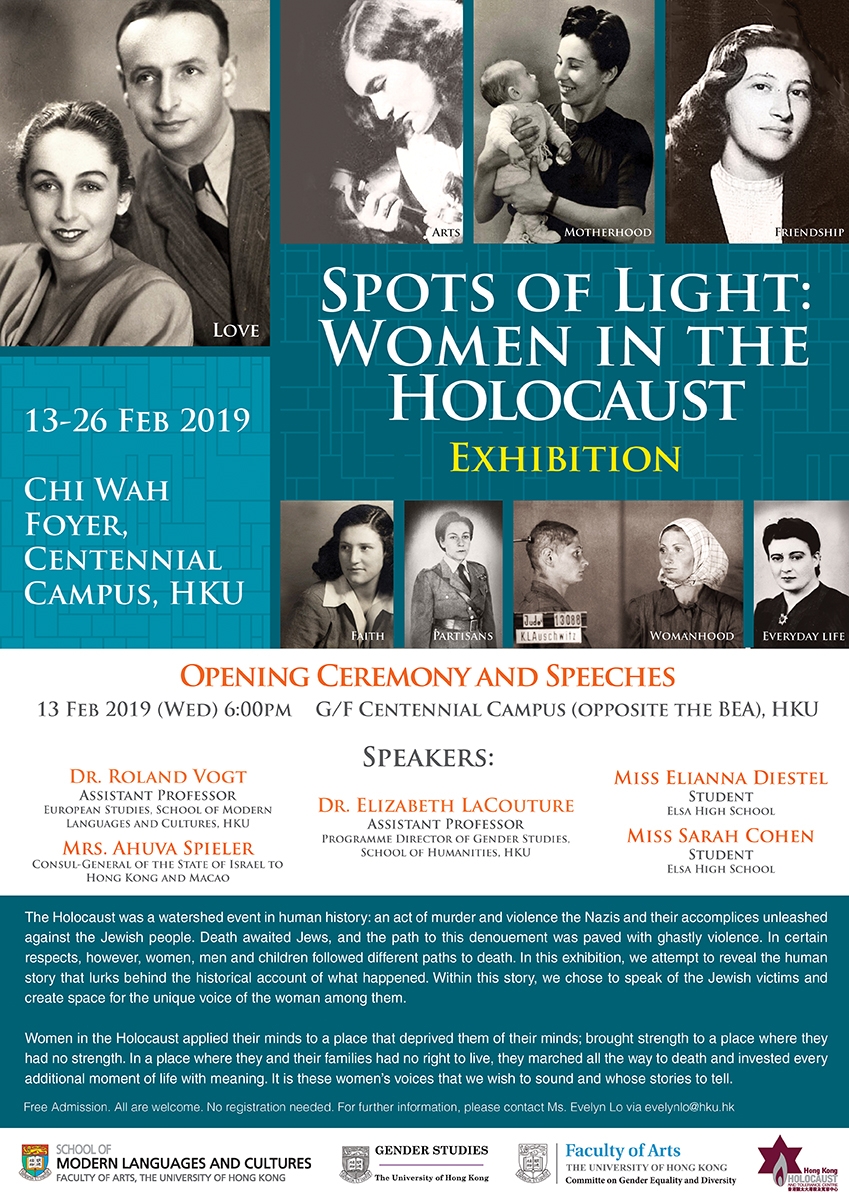
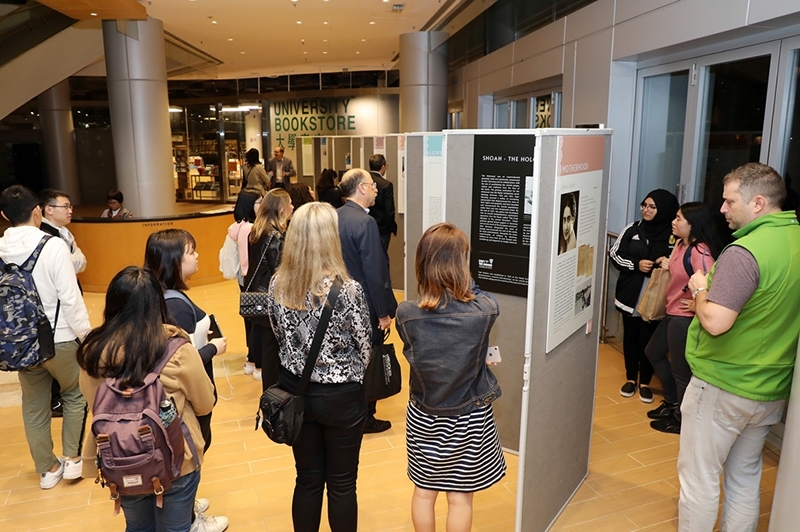
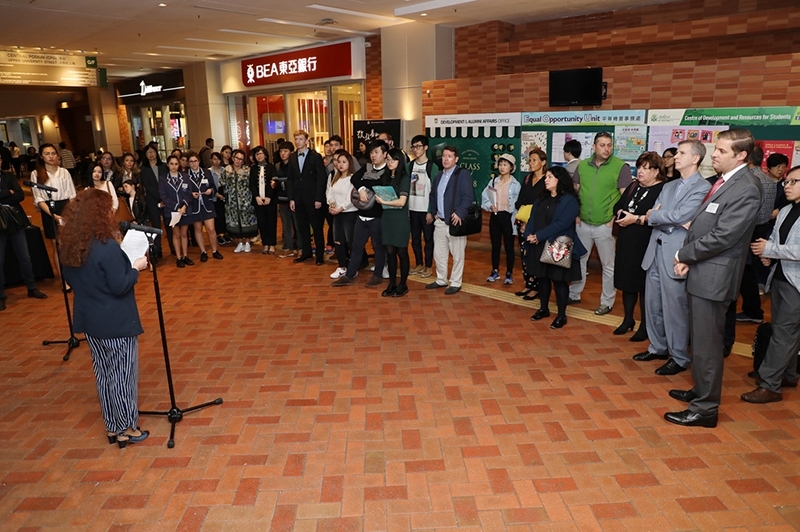
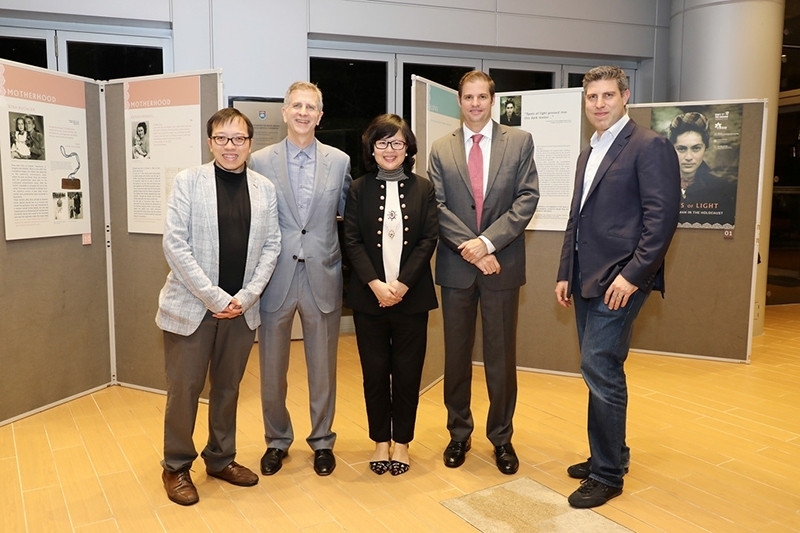
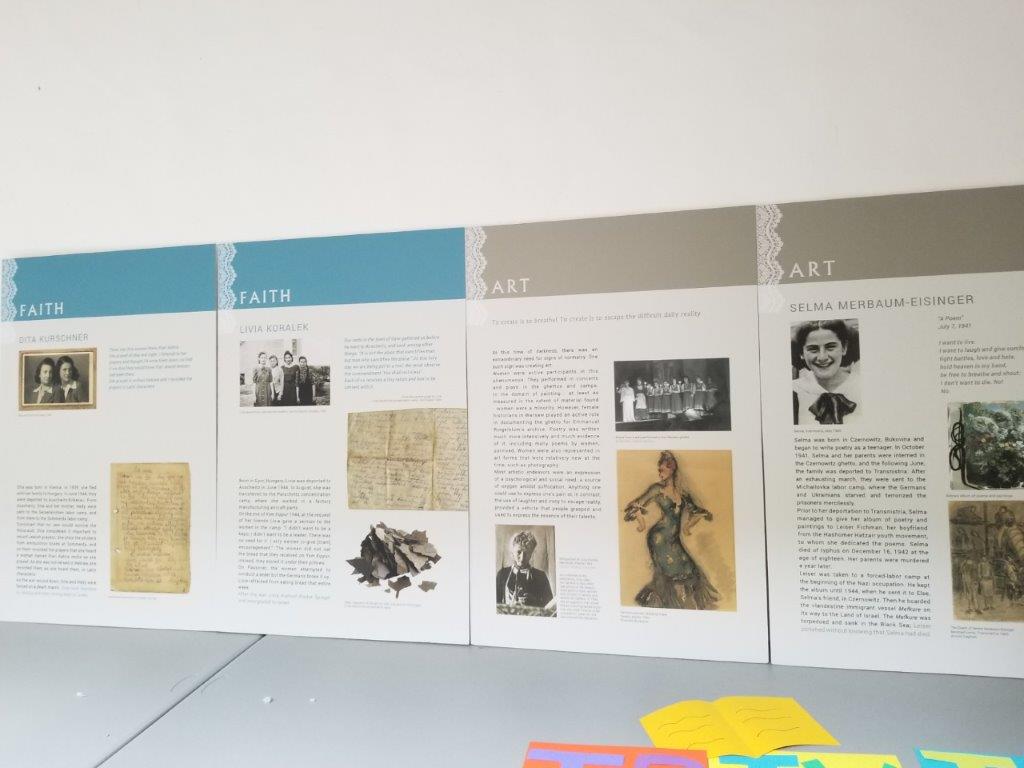
HKHTC was pleased to jointly coordinate the opening ceremony of the ‘Spots of Light: Women in the Holocaust’ exhibition with the University of Hong Kong (HKU) on Wednesday, 13 February. The well-attended event included presentations by Israeli Consul-General Ahuva Spieler, HKHTC board member Dr. Roland Vogt, HKU academic Elizabeth LaCouture and Elsa High School students Elianna Diestel and Sarah Cohen.

This is a special project organized along with the University of Hong Kong and in cooperation with Yad Vashem.

School Visits by Holocaust Survivor Eva Koralnik

2019-02-11T19:08:14+08:00Tags: |

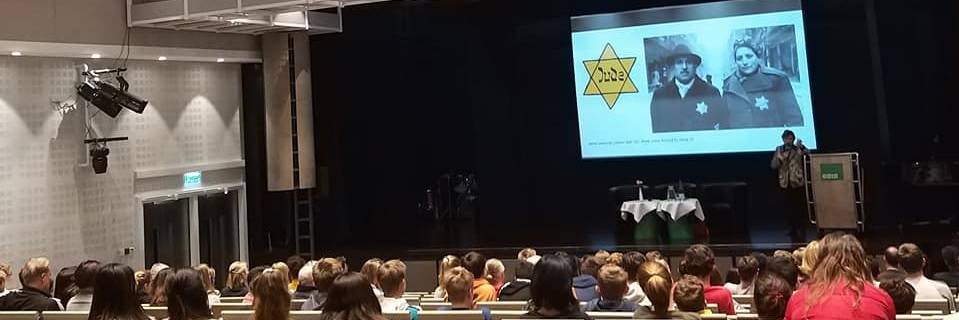
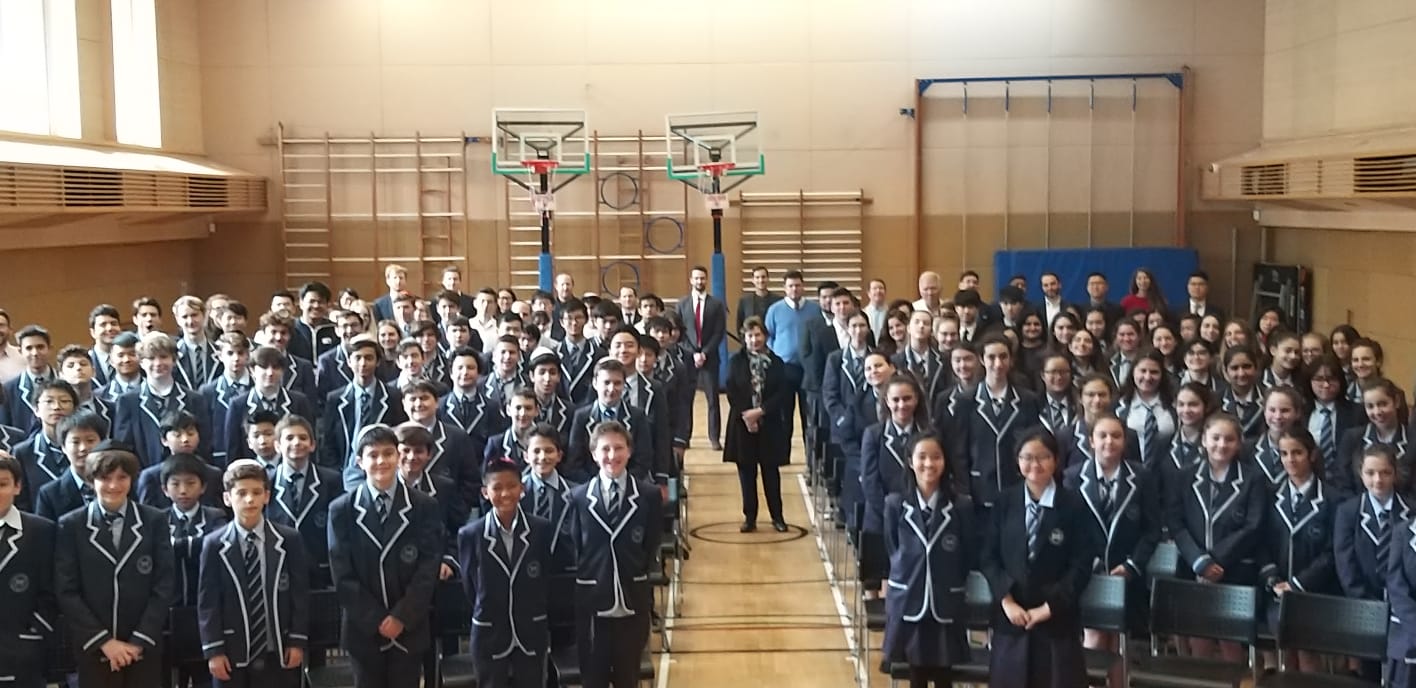
Budapest-born Holocaust survivor, Ms Eva Koralnik, Eva spoke to 11 schools and universities during her visit to Hong Kong and Macau. Her presentations created a personal connection with over 3,000 students and community members, the large majority of whom never previously met a Holocaust survivor. Feedback was overwhelmingly positive as Eva made an unforgettable impression on everyone who heard her story.

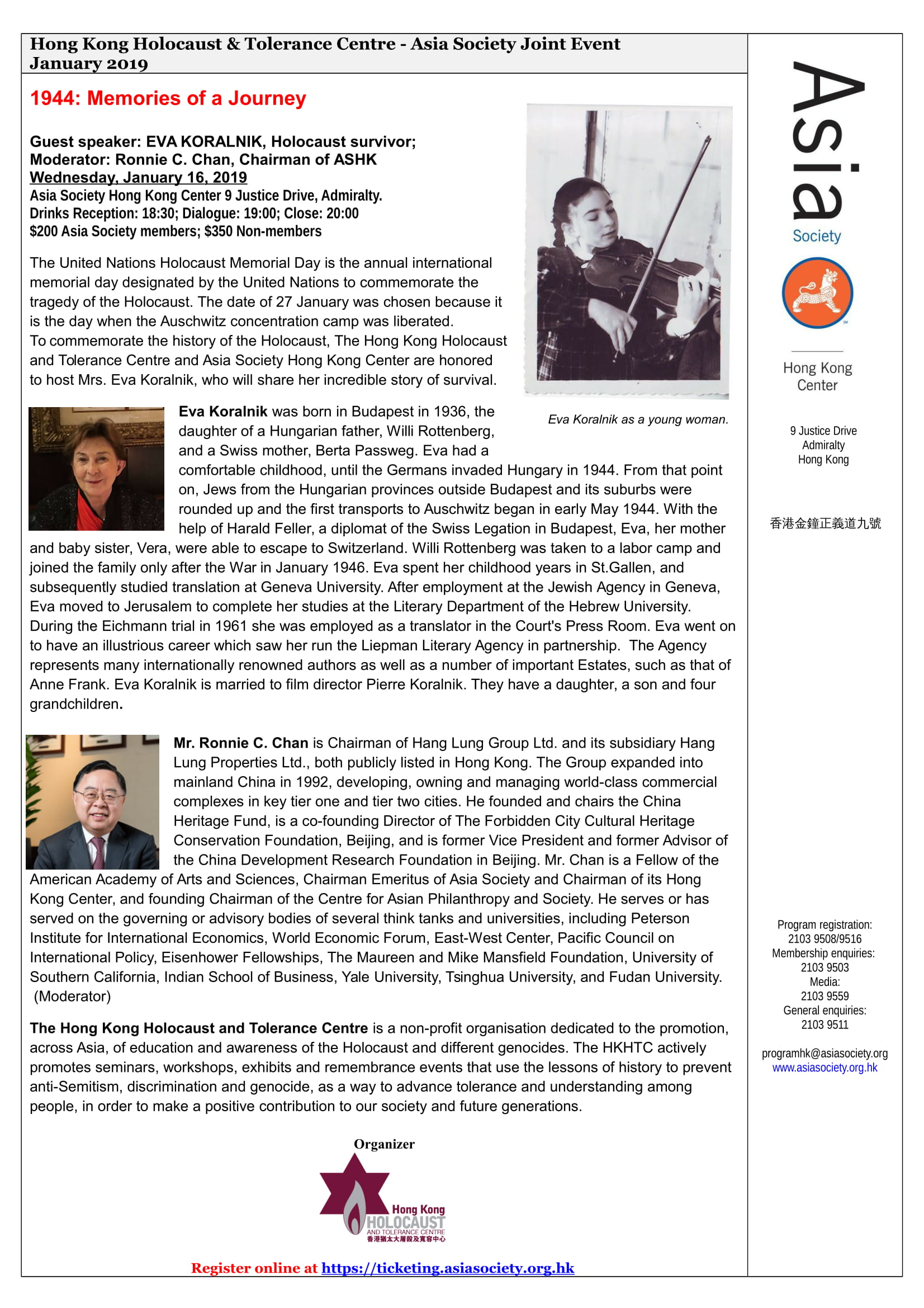
1944: Memories of a Journey

2019-02-11T18:59:28+08:00Tags: |

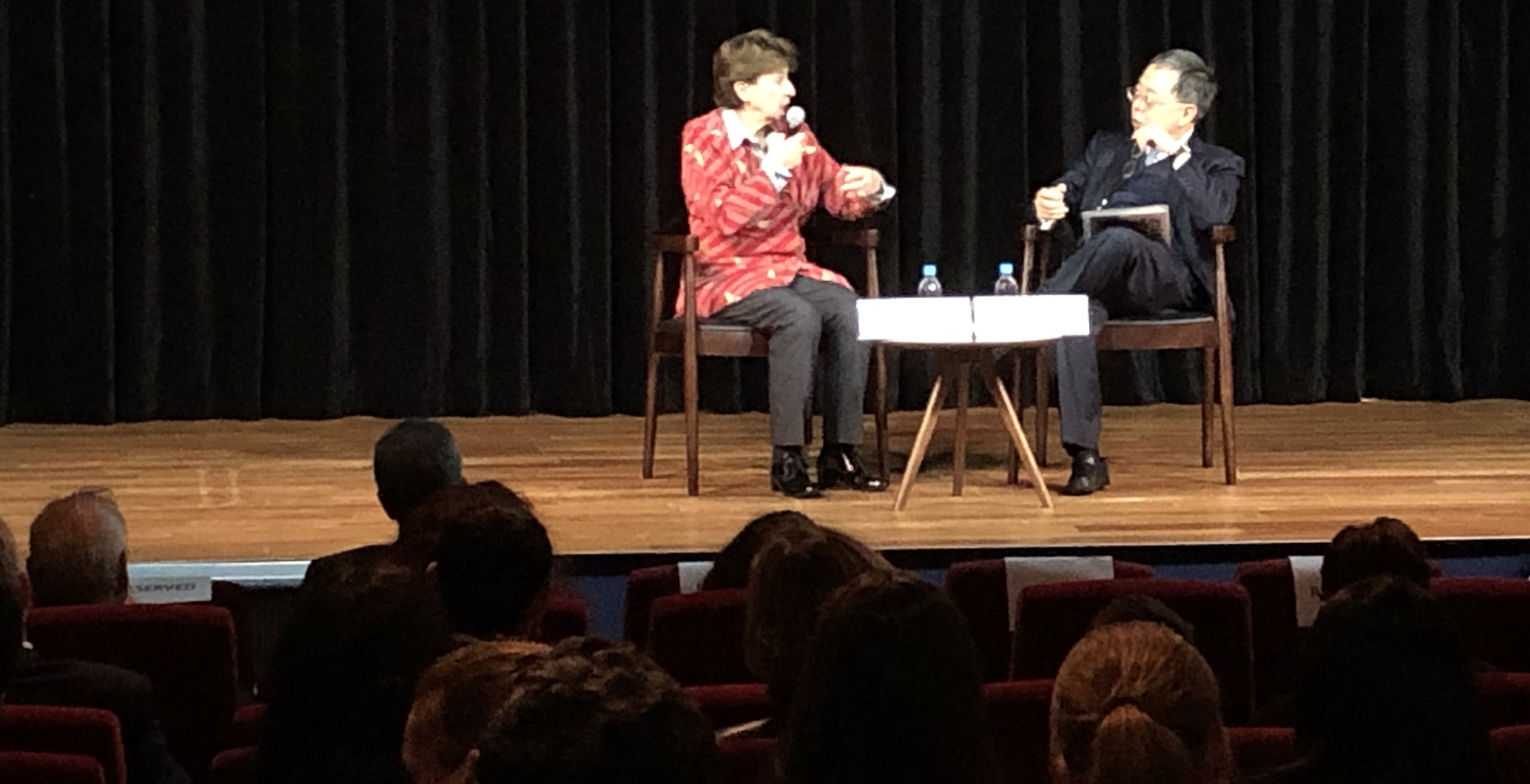
HKHTC was pleased to host an evening of dialogue with Holocaust survivor Eva Koralnik on 16 January at the Asia Society Hong Kong Center (“ASHK”). Eva engaged in a thought-provoking, special dialogue with ASHK’s Chairman Ronnie Chan. Focus was on Eva’s story of survival and her life in Switzerland since then, including her role as a translator during the Eichmann trial in Jerusalem and her career as a prominent literary agent. During the Q&A session, the audience heard Eva’s thoughts on a wide range of issues from her unique perspective as a Holocaust survivor.

About Ida Goldis

2019-01-14T10:23:55+08:00Tags: , , |

Please consider supporting our vital work to educate about the Holocaust and promote tolerance. To donate, please click here.


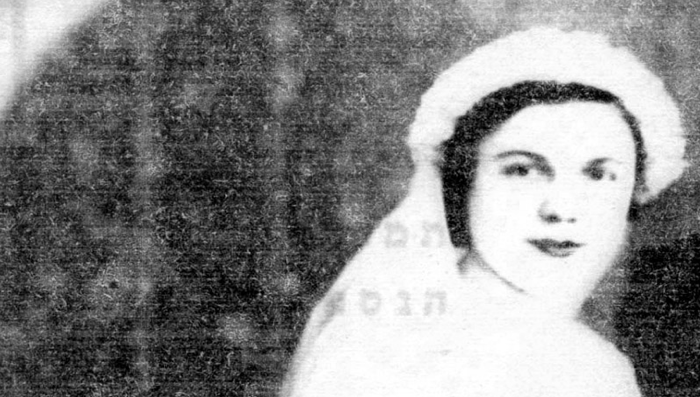
Ida Goldiş wrote her last letter to her older sister Clara, on the eve of her deportation from the Kishinev ghetto to Transnistria.

In October 1941, Ida Goldiş née Bidus was deported from the Kishinev ghetto to Transnistria, together with her little son Vili and her younger sister Doba. Her husband, Yosef, was in a Romanian army labor battalion.

Ida, Vili and Doba were forced to make the arduous journey on foot together with the rest of the deportees from the ghetto.  Ida and Doba took turns carrying Vili on their backs, using a special harness that they had sewn for him.  In early 1942, the young child froze to death in the bitter cold, and his mother, who had lost the will to live, perished a few days later after drinking contaminated water.  Ida was 24 when she perished, and Vili was just three years old.

Ida had managed to smuggle the letter out of the ghetto via a non-Jewish messenger who worked with Doba in the bakery. The letter was given to Clara, who had remained in Romania. Clara and Doba (later Schwarz) survived.  They immigrated to Israel, and kept the letter. In 1979, Doba Schwarz submitted Pages of Testimony in memory of her sister Ida and her nephew Vili. Yosef also survived and immigrated to Israel.

The letter, written in Romanian, was donated to Yad Vashem by Doba’s daughter, Yehudit Shelly, who worked in the Yad Vashem Archives.

* Photo above of Ida Goldis from the Yad Vashem Archive

HKHTC-Logo Yad Vashem-logo

About Fanya Barbakow

2019-01-14T10:13:48+08:00Tags: , , |

Please consider supporting our vital work to educate about the Holocaust and promote tolerance. To donate, please click here.


Fanya Barbakow wrote her letter from a bunker in Druja, to her sister Chaya and her brother Manos.Fanya Barbakow was born in 1923 in Druja, Poland (today Belarus).  Her parents Ze’ev-Velvel and Zisale had two boys and five girls: Chaim, Manos, Sonia, Bluma, Chaya, Fanya and Sima.  Ze’ev owned a flour mill, providing a good living for his family.

Fanya attended the local Polish schools, and in the 1940/41 academic year, while under Soviet rule, she was scheduled to complete her studies at the Russian high school.

The Barbakow family was incarcerated in the Druja ghetto together with all the town’s Jews.  Fanya’s sister Chaya Kagan (Barbakow) recalls:

“In the ghetto, Fanya walked with her head held high, filled with an inner confidence.  She encouraged the family and her contemporaries to present a proud Jewish front to the Germans. Fanya would often sing a song in Russian, expressing opposition to the Germans”.

In the Barbakows’ garden was a cellar used to store ice in the summer. The bunker where the family hid was dug out under the cellar. The hiding place was discovered during the liquidation of the ghetto in the summer of 1942, and all the people hiding inside were murdered.

The letter was written by Fanya over several days on a piece of paper in the bunker. On the reverse side, she added a few words in Yiddish, which were presumably written shortly before their hiding place was discovered.  Miron Vassiliav, a Christian friend of the family, found the letter and gave it to Fanya’s nephew, Zusia Berkman, after the war.  Zusia survived hiding in the home of a Christian farmer and later living with his father in the forests with the partisans. Fanya’s sister Chaya, who had been studying in Vilna, escaped to the Soviet Union when the Germans occupied Vilna, and survived.  Her brother Manos was evacuated to Siberia by the Soviets together with his wife, survived, and lived in the Soviet Union until his death in the 1970s.  Her brother Chaim managed to leave Druja and immigrate to Argentina before the war.

In 1979, Zusia Berkman submitted Pages of Testimony in memory of his family members murdered in the Holocaust: His mother Sonia Berkman (Barbakow), his sisters Rasia and Zeldaleh, his grandfather Ze’ev, his grandmother Zisale, and his aunts, Bluma Kruman (Barbakow), Fanya and Sima. After Chaya’s death, her children found a bundle of letters, including Fanya’s last letter, wrapped in cloth inside her wardrobe.  In 2007, Chaya’s children, Etta Feldman and Ze’ev Kagan, donated Fanya’s letter to Yad Vashem to be preserved for perpetuity.

* Photo above Young Jewish girls in Druja from the Yad Vashem Archive
HKHTC-Logo Yad Vashem-logo

International Holocaust Remembrance Day Lecture 2019

2019-02-11T19:10:01+08:00Tags: |

In cooperation with The Commercial Press bookstore, HKHTC co-hosted an International Holocaust Remembrance Day lecture presented by Simon K. Li. The public lecture was well received, with most attendees in the fully booked venue staying well beyond the scheduled event closing and asking many questions about the Holocaust.

Go to Top